Are Savings App Interest Rates Taxed? The Personal Savings Allowance Explained
Is savings interest taxed in the UK? How the Personal Savings Allowance, starting rate and ISAs decide what you owe on savings app interest.
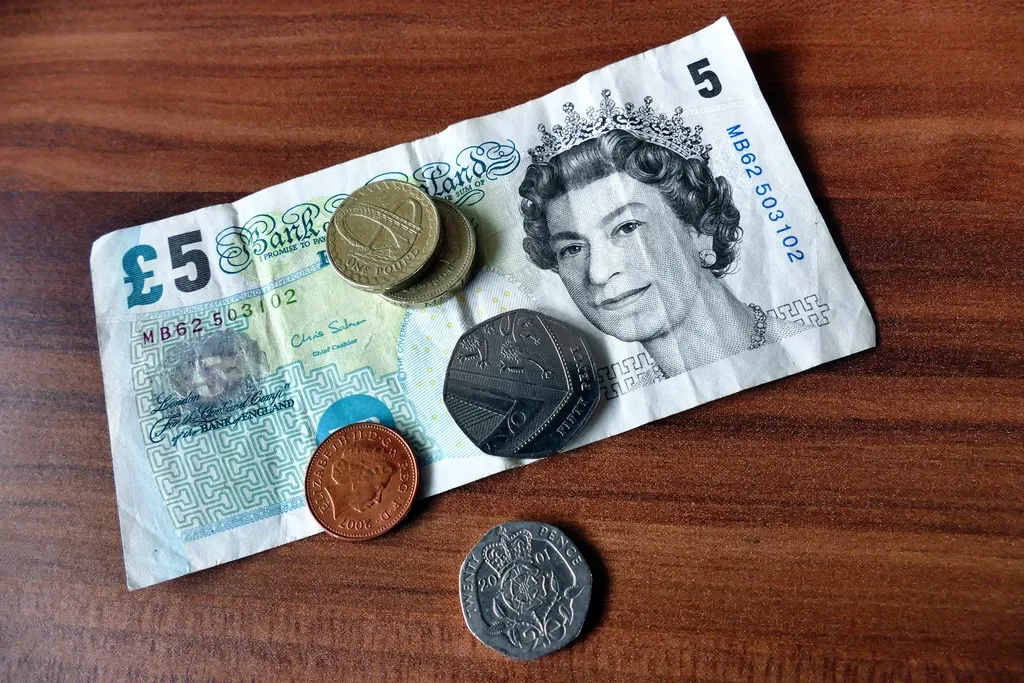
Is savings interest taxed in the UK? Yes, in principle it is, but most people never hand over a penny of it. Interest from a savings app like Chip, Plum, Moneybox or a Monzo pot is treated by HMRC exactly like interest from a high street bank: it is taxable savings income, and whether you actually pay depends on two allowances that wipe out the bill for the majority of savers. The confusion comes from the fact that the app does not deduct anything at source, so the tax, if there is any, lands later and from a different direction.
This guide explains when savings app interest is taxed, how the Personal Savings Allowance works in 2026/27, the extra £5,000 band that low earners forget about, and how HMRC actually collects anything you owe.
The short version
For the 2026/27 tax year, a basic-rate taxpayer can earn £1,000 of savings interest before any tax is due. A higher-rate taxpayer gets £500. An additional-rate taxpayer gets nothing. That is the Personal Savings Allowance, and it applies to your savings interest from every taxable source added together, not per account. Interest inside a Cash ISA does not count at all, which is the whole point of an ISA.
So the honest answer for most app users is: your interest is taxable, but you almost certainly owe nothing, because you would need a sizeable balance to breach the allowance.
How the Personal Savings Allowance works
The Personal Savings Allowance (PSA) is a slice of savings interest taxed at 0%. The size of that slice depends on your Income Tax band:
- Basic-rate taxpayer (income up to £50,270): £1,000 tax-free.
- Higher-rate taxpayer (income £50,271 to £125,140): £500 tax-free.
- Additional-rate taxpayer (income above £125,140): £0.
The allowance has been frozen at these levels since 2016. That freeze matters more every year, because savings rates are far higher now than they were then, so a balance that used to earn £200 of interest can now earn enough to eat the whole allowance. The government has confirmed the figures again for 2026/27, so nothing has moved. GOV.UK sets out the rules on tax-free interest on savings if you want the source.
Above your PSA, interest is taxed at your normal marginal rate: 20%, 40% or 45%. So a basic-rate taxpayer who earns £1,200 of interest pays 20% on the £200 that pokes over the £1,000 allowance, which is £40. Not the whole £1,200.
The £5,000 band low earners keep missing
There is a second allowance that only helps people with modest earned income, and it is generous. The starting rate for savings gives you up to £5,000 of savings interest at 0%, on top of your Personal Allowance and your PSA.
The catch is that it tapers away as your non-savings income rises. You get the full £5,000 band only if your non-savings income (wages, pension, self-employment) is at or below your £12,570 Personal Allowance. For every £1 of income above that, you lose £1 of the band, so it disappears entirely once non-savings income reaches £17,570. It was confirmed as frozen through to 2030/31, so it will keep quietly helping the same group of people: pensioners drawing a small income, part-time workers, and anyone living mainly off savings. The Low Incomes Tax Reform Group has a clear explainer on the starting rate for savings.
Stack the pieces together and a low earner can receive their Personal Allowance, the £5,000 starting rate and the £1,000 PSA before any savings interest is taxed. That is why many retired people with cash in savings apps never see a tax bill.
Why the app does not deduct anything
Banks stopped deducting tax from interest at source back in 2016, when the PSA was introduced. Savings apps never did. So the interest you see credited in the app is the gross figure, with nothing taken off. That is correct, not a mistake, and it is why people wrongly assume savings app interest is untaxed.
What actually happens is that banks, building societies and the firms behind savings apps report the interest they paid you to HMRC after the tax year ends. HMRC then works out whether you have gone over your allowances.
How HMRC collects any tax you owe
If you do owe tax on savings interest and you are employed or on a pension, HMRC usually collects it by changing your tax code, so it comes out of your PAYE over the following year. You may get a coding notice with an estimate of your interest built in. If the estimate looks wrong, you can correct it through your Personal Tax Account.
For people not in PAYE, or where the sums are larger, HMRC issues a Simple Assessment or asks you to declare the interest on a Self Assessment return. The key point is that you do not normally have to phone anyone the moment you breach the allowance: the reporting is automatic. Your job is to check the figure HMRC uses is right, because their estimate is based on the previous year and can lag reality when rates or your balance have moved.
The practical takeaway for app savers
If your combined savings interest across every non-ISA account is comfortably under your PSA, you can stop worrying: it is taxable in theory and free in practice. If your balance is large enough that interest is creeping towards £1,000 (or £500 as a higher-rate taxpayer), that is the signal to move new money into a Cash ISA, where the interest never counts. Our guide on savings interest and the ISA question walks through when the switch is worth it, and the Abel savings interest tax calculator will estimate any bill from your own numbers.
Frequently asked questions
Is interest from a savings app taxed in the UK? It is taxable savings income, treated exactly like bank interest, but most people pay nothing because the Personal Savings Allowance covers £1,000 (basic rate) or £500 (higher rate) of interest tax-free each year.
Does a savings app take tax off before paying me interest? No. Apps pay interest gross, with nothing deducted. If you owe tax, HMRC collects it later, usually by adjusting your tax code, because banks and providers report your interest to HMRC after the tax year ends.
Does Cash ISA interest count towards the Personal Savings Allowance? No. Interest earned inside a Cash ISA is completely tax-free and does not use any of your allowance, which is exactly why an ISA is useful once your ordinary savings interest gets close to the limit.
How much can I earn in savings interest before paying tax? A basic-rate taxpayer gets £1,000 tax-free; a higher-rate taxpayer £500; an additional-rate taxpayer nothing. Low earners can also use the £5,000 starting rate for savings on top, if their other income is under £17,570.
How does HMRC know how much savings interest I earned? Banks, building societies and the firms behind savings apps report the interest they paid you directly to HMRC after each tax year. HMRC uses that to adjust your tax code or issue a Simple Assessment if any tax is due.