Are Monzo's Paid Plans Worth It? Extra, Perks, Max
Are Monzo's paid plans worth it? Perks costs £9 a month from October 2026 and needs £21,600 in savings to pay for itself on interest alone.
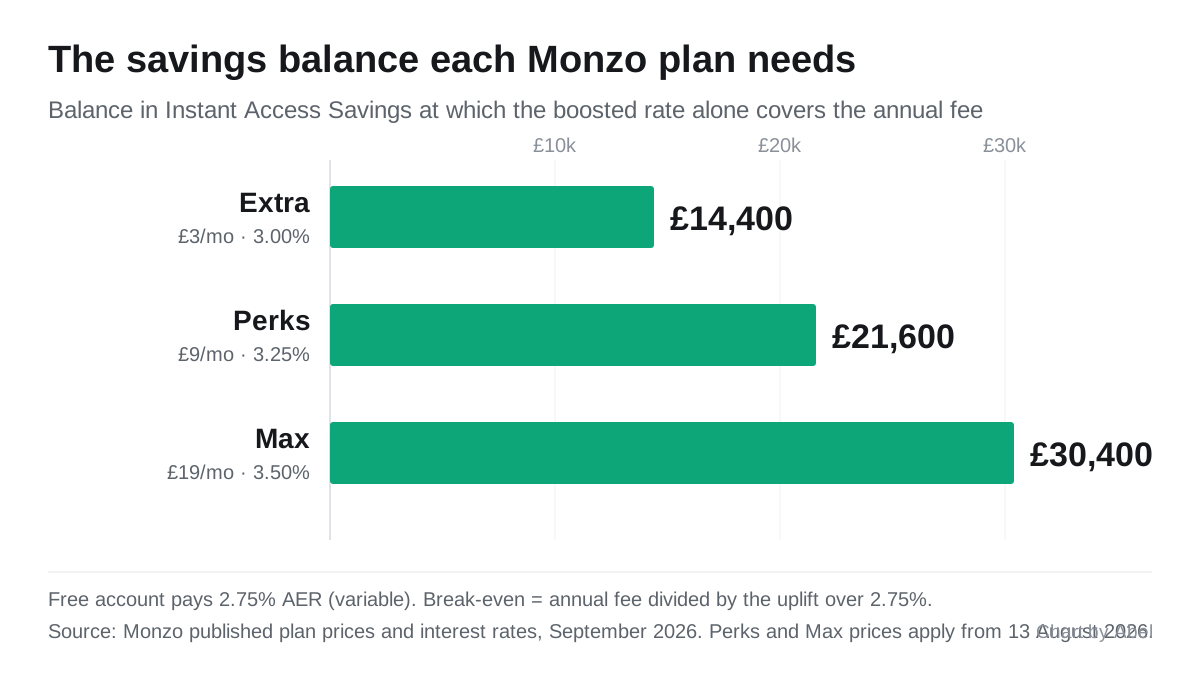
Whether Monzo’s paid plans are worth it comes down to one question that the marketing pages never put plainly: are you actually going to claim the perks? Monzo now sells three tiers, Extra at £3 a month, Perks at £9 and Max at £19, and the only one of the three that stacks up on the numbers alone is the one nobody is tempted by. Everything else depends on your behaviour. Here is what each tier really adds, and the balance you would need in savings for the boosted interest rate to cover the fee by itself.
The prices went up in August 2026
Monzo raised two of the three plan prices. Perks went from £7 to £9 a month, Max from £17 to £19, and Max Family from £22 to £23. Extra was left alone at £3.
The dates matter if you are already on a plan. Anyone signing up on or after 13 August 2026 pays the new price straight away. Existing customers move to it on their first regular billing date on or after 14 October 2026, so a long-standing Perks customer may still be paying £7 as you read this and will see the jump shortly.
Monzo added YouTube Premium Lite, an annual Uber One membership and the Billsback feature to justify the rise, and now puts the headline value of the partner perks at “over £300 a year”. That number assumes you claim everything, every time.
The old Plus and Premium plans
Monzo Plus (£5) and Premium (£15) are closed to new customers. If you still hold one you can keep it indefinitely, but the door is one-way: cancel it or move to Extra, Perks or Max and you cannot go back. On Monzo’s own interest table, Plus and Premium sit in the same rate band as Perks, so a grandfathered Plus customer is getting the Perks savings rate for £5 rather than £9. If that is you, think hard before switching.
What each tier actually adds
Extra, £3 a month. This is the money-management tier and nothing else. You get virtual cards linked to Pots (five live at a time), advanced round-ups at 2x, 5x or 10x, custom spending categories, an auto-updating Google Sheet export of your transactions, connected accounts and cards from other banks, and credit insights showing both TransUnion and Equifax scores updated weekly. Fee-free foreign cash withdrawals rise to £200 in a rolling 30 days, after which a 3% fee applies. There are no partner perks at this tier, no Railcard, no Greggs.
Perks, £9 a month. Everything in Extra, plus the partner bundle: a Railcard of your choice each year, a weekly Greggs treat claimed by QR code in the app (a regular, vegan or chicken sausage roll, a muffin, a doughnut or a regular hot drink), one Vue cinema ticket a month with 10% off food and soft drinks once a month, an annual Uber One membership, YouTube Premium Lite, and Billsback, which gives you a monthly chance of having a bill covered up to £150. Fee-free foreign cash withdrawals go to £600 in a rolling 30 days.
Max, £19 a month. Everything in Perks, plus three insurance products. Worldwide multi-trip travel insurance from Zurich, powered by Qover, covering cancellation up to £5,000, medical bills up to £10m, lost valuables up to £750, winter sports and a car hire excess waiver up to £3,000, with a £50 excess per claim and an age limit of 18 to 69. Worldwide phone insurance from Assurant for loss, theft and accidental damage on phones worth up to £2,000, with a £75 excess and a maximum of two claims in 12 months. RAC breakdown cover for the UK and Europe, including at-home assistance, onward travel and recovery, and it follows you rather than a specific car. Max also has a three-month minimum term, which the other tiers do not.
Max Family adds a family member to the Max insurance cover for £4 a month each.
The interest, and the balance you need to justify the fee
This is the part you can actually calculate, because the savings boost is the only benefit with a fixed cash value that does not depend on remembering to claim it.
Monzo’s Instant Access Savings rate by plan, from its own rate table:
| Plan | Instant Access AER (variable) | Uplift vs free |
|---|---|---|
| No plan | 2.75% | - |
| Extra (£3/mo) | 3.00% | 0.25 points |
| Perks (£9/mo) | 3.25% | 0.50 points |
| Max (£19/mo) | 3.50% | 0.75 points |
The boosted rate applies on balances up to £1,000,000, so for almost everyone the cap is irrelevant. Divide the annual fee by the uplift and you get the balance at which the interest alone pays for the plan:
- Extra costs £36 a year and lifts your rate by 0.25 points, so you need £14,400 in Instant Access Savings.
- Perks costs £108 a year and lifts it by 0.50 points, so you need £21,600.
- Max costs £228 a year and lifts it by 0.75 points, so you need £30,400.
Those are before-tax figures. If the extra interest pushes you past your Personal Savings Allowance, the balance needed climbs further.
Monzo also runs a Select Access Savings account, where the rate holds at the top level only if you make two or fewer withdrawals a year. There the free rate is 3.15% and Perks, Max, Plus and Premium all get 3.65%. Extra does not buy an uplift on Select Access, which is worth knowing if that is where your money sits.
So when does each plan pay off?
Extra rarely makes sense for the savings rate, because anyone holding £14,400 in an instant access account should be shopping the wider easy-access market rather than paying £3 a month for 3.00%. Buy Extra for the tools instead: if the virtual cards, the auto-spreadsheet and two weekly credit scores genuinely change how you handle money, £36 a year is cheap. Our roundup of the best easy access savings apps in the UK is the better place to start if the rate is the point.
Perks is a perks plan, not a banking plan. At £108 a year, the Railcard does roughly a third of the work on its own: most national Railcards cost £35 for a year, and you can claim a new one every year you hold the plan. The remaining £73 has to come out of the Greggs treat, the Vue ticket, Uber One and YouTube Premium Lite, and only counts if those replace money you were already spending. Claim the weekly Greggs item most weeks and see a film most months and you are comfortably ahead. Claim neither and you are paying £108 for a Railcard and half a percent of interest.
The honest test is a boring one: for four weeks, write down every time you would have used a perk. If the answer is “I keep forgetting the QR code”, cancel.
Max is an insurance product wearing a bank’s clothes. The £10 a month it costs over Perks buys worldwide multi-trip travel insurance, phone insurance and RAC cover, which is £120 a year for three policies that would ordinarily cost more separately. It is good value if you would otherwise buy all three. If you already get travel cover through another packaged account, or your phone is worth less than the £75 excess makes worth claiming, or you have breakdown cover through your car insurer, then you are paying twice. Check the excesses and the 18 to 69 age limit before you assume the travel policy suits you, particularly if you have a pre-existing medical condition or anyone in the party is over 69.
The alternative nobody sells you
The free Monzo current account is unusually complete: a full UK account, Pots, budgets, Salary Sorter, get-paid-early, no foreign transaction fee on card spending and FSCS protection to £120,000. None of that is behind a paywall. Our full Monzo review goes through what the free tier does.
If you want the highest rate rather than the perks, compare where Monzo actually lands against its rivals first, which is what our Monzo vs Chase savings rates piece is for. And if the appeal of Max is the travel side, the best bank accounts for travelling covers the fee-free options that cost nothing at all. For the broader account comparison, see Monzo vs Starling.
Frequently asked questions
Is Monzo Plus worth it if I still have it? Almost certainly yes, if you are grandfathered in at £5 a month. Monzo’s rate table puts Plus in the same savings band as Perks, which now costs £9, and you cannot get Plus back once you leave it. The case for moving is the partner perks, which Plus does not include. Do the sums before you switch, because the switch is permanent.
Can I cancel a Monzo plan at any time? Extra and Perks can be cancelled at any point. Max has a three-month minimum term from when you take it out, so you are committed to at least £57 at the current price. You keep the benefits until the end of the period you have paid for.
Do the Monzo perks reset if I cancel and rejoin? The Railcard is an annual claim tied to holding the plan, and the Greggs and Vue claims refresh on a weekly and monthly cycle while you are subscribed. Cancelling ends the claims. Rejoining purely to re-trigger a Railcard is not how the benefit is designed, and Monzo sets the eligibility rules in its plan terms.
Does a Monzo paid plan increase my FSCS protection? No. FSCS protection is £120,000 per person per banking licence regardless of which plan you are on. Paying a monthly fee does not raise the limit, and money in savings accounts supplied through Monzo’s partner banks is protected under those banks’ licences instead.
Is the Monzo Max travel insurance good enough to replace a standalone policy? For a healthy adult under 70 taking several short trips a year, it is a reasonable multi-trip policy with a £50 excess. It is not a substitute if you have pre-existing medical conditions that need declaring, if anyone travelling is 70 or over, or if you need cover for high-value gear beyond the £750 valuables limit. Read the policy wording rather than the marketing page.
Which Monzo plan gives the highest savings rate? Max, at 3.50% AER (variable) on Instant Access Savings against 2.75% on the free account. That 0.75 point uplift is worth £228 a year only if you hold £30,400, which is exactly what Max costs annually, so on interest alone Max pays for itself only above that balance.
Sources
Rates, prices and perks correct as at 23 September 2026 and subject to change. Check Monzo’s own pages before you subscribe. This article is information, not financial advice.