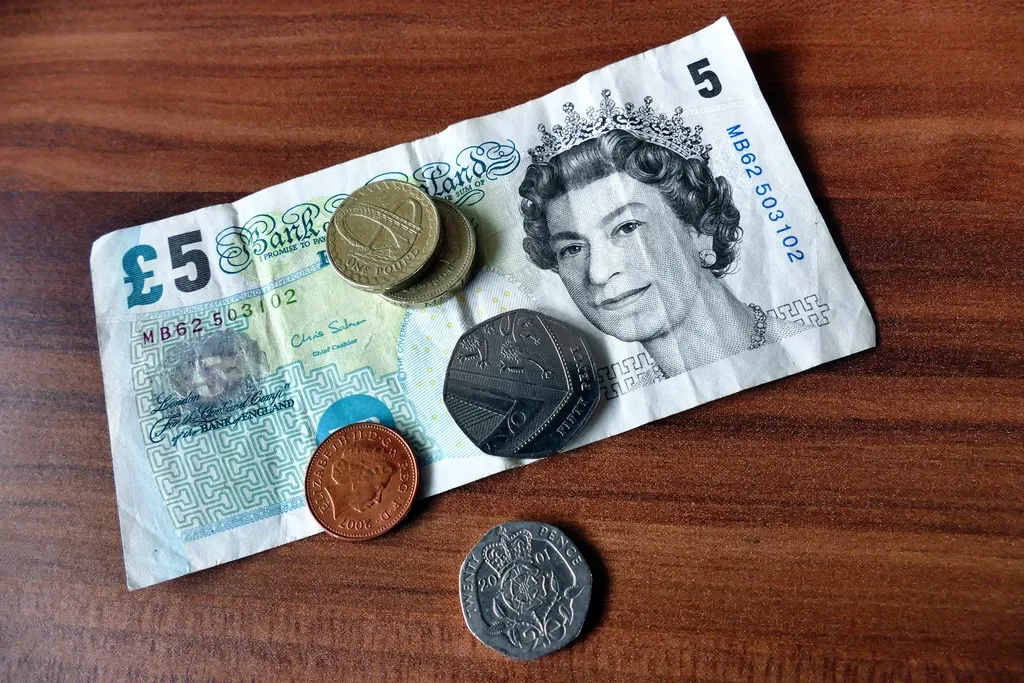
Energy Price Cap Rises to £1,723 From 1 October
Ofgem confirmed a 4% rise to £1,723 on 26 August, with gas up 8% and electricity flat on a VAT cut. Plus the best easy access rate hit 5.00% AER this week.
Two numbers landed this week that change what your budgeting app should be forecasting from October. Ofgem confirmed the winter price cap, and the top of the savings market held above 5 per cent.
Ofgem set the October cap at £1,723, a 4% rise
On 26 August Ofgem confirmed the energy price cap for 1 October to 31 December 2026 at £1,723 a year for a typical household paying by direct debit for both fuels. That is up £60 a year, or £5 a month, from the current £1,663, a rise of 4 per cent.
The headline hides a split. Gas bills are going up 8 per cent, while electricity bills stay broadly flat because the government is removing VAT from domestic electricity, taking it from 5 per cent to 0 per cent for six months from 1 October to 31 March 2027. Households with no gas supply, so anyone on electric heating or a heat pump, see a rise of less than 1 per cent. Around 35 per cent of households, roughly 11 million, are on fixed tariffs and are not affected at all. Ofgem also points out prices remain 52 per cent below the early 2022 peak of about £2,500.
“High international gas prices are continuing to drive energy costs in the UK,” said Neil Kenward, Ofgem’s Director General for Markets, adding that Ofgem welcomed the VAT removal.
Three practical things follow. First, if you pay by direct debit and your supplier has not yet reprofiled your payment, expect a letter, and check the increase against £5 a month rather than accepting whatever number appears; apps that read your account through Open Banking will flag the change but will not argue with it for you. Second, the VAT cut is temporary and ends on 31 March, so a fixed deal that looks marginally worse than the cap today may still be the cheaper choice across the whole winter and into spring. Third, the gas-versus-electricity split is the first cap in a while where the two fuels move in opposite directions, which matters if you were weighing a switch away from gas. Our guide to bill switching apps covers which tools actually complete a switch rather than just showing you a table, and how to manage money with apps covers rebuilding a budget around a changed direct debit. The announcement is at Ofgem.
Best easy access rate is 5.00% while the base rate sits at 3.75%
Moneyfacts’ weekly savings roundup on 27 August put the top easy access rate at 5.00 per cent AER from LemFi. Fixed rates were close behind: Al Rayan Bank at 4.90 per cent on a one-year bond, Investec at 4.95 per cent over two years, Investec and Afin Bank at 5.00 per cent over three, and Chetwood Bank at 5.00 per cent over five. Notice accounts ran from 4.00 per cent at RCI Bank on 14 days to 4.37 per cent at Bank of London and The Middle East on 90 days.
The gap worth noticing is that the best easy access account is paying well above the 3.75 per cent Bank of England base rate. That normally means a bonus rate doing the heavy lifting, and bonuses expire. If you move money to chase a 5 per cent headline, put the expiry date in your calendar the same day, because the rate that replaces it is usually unremarkable.
The second thing is tax, which the savings apps do not do for you. At 5 per cent, a basic-rate taxpayer with a £1,000 personal savings allowance hits the threshold at £20,000 of savings; a higher-rate taxpayer with a £500 allowance hits it at £10,000. Above that the interest is taxable and a cash ISA usually wins even at a slightly lower headline rate. We work the arithmetic through in tax on savings app interest, and compare where the app-based accounts actually sit against the whole market in best easy access savings apps. The roundup is at Moneyfacts.