Monzo Aura: The £15 a Month Card That Invests Your Cashback
Monzo Aura costs £180 a year and invests 0.5% to 1% cashback, so the cashback alone needs £36,000 of spending to cover it. Plus Ask Zopa and Revolut's breach.
Three things happened to the apps on your phone this week. Monzo launched a paid credit card that turns cashback into investments, Zopa gave every current account customer an AI agent that can move money, and Revolut confirmed that it handed customer identity documents to criminals posing as officials. The first two are about what an app can now do for you; the third is about what can go wrong when someone asks it nicely.
Monzo Aura: cashback that goes straight into funds, for £15 a month
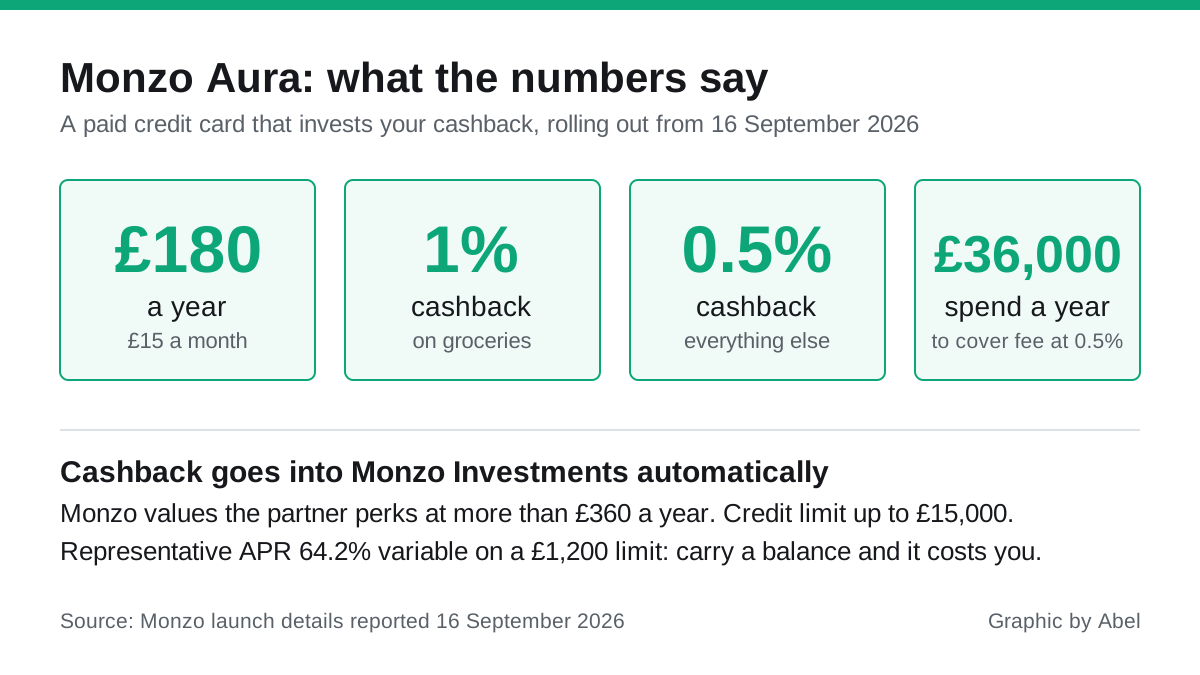
Monzo started rolling out Aura on 16 September. It is a credit card that pays uncapped cashback, 1 per cent on groceries and 0.5 per cent on everything else, and automatically invests that cashback in Monzo Investments, its range of funds and ETFs covering indices such as the FTSE 100, S&P 500 and Nasdaq, plus gold and silver. Monzo does not charge a platform fee on those investments, although the BlackRock fund management fee still comes out of the value of the holding. Monzo calls it the UK’s first cashback auto-invest card.
It is not free. Aura costs £15 a month, £180 a year, with a minimum term of three months. Monzo bundles partner perks it values at more than £360 a year: an Apple TV subscription, a Google AI Plus plan with 2TB of storage, two airport lounge passes and two fast-track security passes a year. There is also a credit limit of up to £15,000 and 0 per cent interest over three months on purchases above £100. It is open to existing Monzo customers aged 18 and over, subject to credit and affordability checks, and the representative APR is 64.2 per cent variable on a £1,200 limit.
Do the fee arithmetic before the perks do it for you. At 0.5 per cent, cashback covers the £180 fee only once you spend £36,000 a year on the card; even if every pound went on groceries at 1 per cent, you would need £18,000. So for most households Aura only pays if you would genuinely use the Apple TV, the storage and the lounge passes, because the cashback on its own will not get close. And a 64.2 per cent representative APR means any balance you carry wipes out a year’s invested cashback quickly. Pay it off in full by direct debit or do not take it.
If the real appeal is investing small amounts without thinking about it, round-up and auto-invest apps already do that without a monthly fee. Our Monzo review covers the rest of the account, best investment apps compares where small regular sums go furthest, and how to start investing with an app covers the basics before you let a card do it automatically. The launch is reported by FinTech Global.
Ask Zopa: an AI agent that can pay bills and split a restaurant tab
Zopa made Ask Zopa available to all of its current account customers on 16 September after a trial with selected users. It sits inside the Biscuit current account and takes instructions in plain language, by voice or text. It can make payments, send money to friends, work out and pay your share of a split bill, and suggest how to reach a savings goal. You can photograph a bill and tell it what you want done. Zopa has about two million customers.
The practical change is that this is an assistant that acts, not one that only answers questions. That is convenient for a restaurant bill split five ways, and it is also a reason to check how payments are confirmed before you rely on it. Look for which actions need a separate approval step, whether you can set a limit on what it can send, and how you would dispute a payment it made on a misheard instruction. Zopa says it “understands, remembers and personalises experiences”, which is also a prompt to read what it stores. If splitting bills is the draw, best apps for splitting bills covers the dedicated tools. The launch is reported by Computer Weekly.
Revolut handed 680 customers’ data to fraudsters posing as officials
Revolut confirmed on 12 September that it had released personal data on 680 customers to attackers who sent requests that appeared to come from government officials. The requests reportedly came through Italy’s certified PEC email system, from an account tied to the Prefecture of Reggio Calabria, which has denied sending them. The data included passports, driving licences, the photos used for identity checks and transaction histories. The attackers told the Financial Times they picked their targets by using blockchain analysis to find accounts with significant crypto holdings. Most affected customers were in Switzerland and France, but residents of 31 other mainly European countries were included, among them the UK. Italy’s Polizia Postale and the UK Information Commissioner’s Office are investigating.
On 16 September the group demanded 6,000 XMR, about $3 million in the privacy coin monero, within 24 hours, threatening to sell the data. Revolut said it had received no direct contact or demand, and that its systems and customer funds were unaffected.
Your money was not taken, but for the 680 people involved a leaked passport scan plus a known crypto balance is exactly what a convincing impersonation scam is built from. If you hold crypto on Revolut, treat any call, message or email that knows your details as suspect, however much it knows. No genuine bank will ask you to move money to a “safe account”, and a caller who cites your passport number has proved only that they have your passport number. Our guide to fake banking app scams covers the playbook, and are digital banks safe covers what FSCS protection does and does not cover, which matters here because crypto holdings are not protected. Details are at The Cryptonomist and CoinDesk.