Is Revolut Premium Worth It? Every Plan's Break-Even Point
Is Revolut Premium worth it? Only if you save over £27,400 or use the perks. Plus, Premium, Metal and Ultra costed on Revolut's 14 Oct 2026 prices.
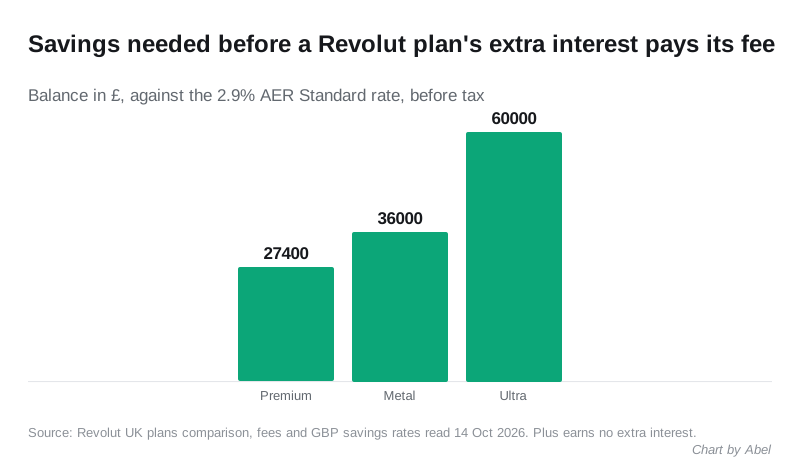
Is Revolut Premium worth it? For most people, only if they would otherwise pay for something it bundles in. At £7.99 a month (£95.88 a year), Premium’s extra savings interest alone does not cover the fee until you hold about £27,400 in a Revolut savings account. The same maths applies to every Revolut paid plan: each one has a break-even point, and most users sit below it.
All prices and features below come from Revolut’s UK plans comparison page and Paid Plan Terms, read on 14 October 2026.
The five Revolut plans and what they cost
| Plan | Monthly fee | Cost over 12 months | Savings rate (GBP) | Fee-free ATM a month | Currency exchange without extra fees |
|---|---|---|---|---|---|
| Standard | Free | £0 | 2.9% AER | £200 or 5 withdrawals | £1,000 a month, Mon to Fri |
| Plus | £3.99 | £47.88 | 2.9% AER | £200 | £3,000 a month, Mon to Fri |
| Premium | £7.99 | £95.88 | 3.25% AER | £400 | No fair usage limit |
| Metal | £14.99 | £179.88 | 3.4% AER | £800 | No fair usage limit |
| Ultra | £55 | £660 | 4% AER up to £200,000 | £2,000 | No fair usage limit |
Savings rates are variable. Over the ATM allowance Revolut charges 2% per withdrawal, with a £1 minimum. On Standard, exchanges beyond the monthly limit carry a 1% fair usage fee (0.5% on Plus), and weekend exchanges carry a 1% markup on Standard and 0.5% on Plus. Premium, Metal and Ultra pay no weekend fee.
Every paid plan is a 12-month contract, billed monthly or annually. That matters more than anything in the table, and we come back to it below.
The break-even maths, plan by plan
The fairest test is to ask what you would have to do on each plan to earn the fee back in hard cash, before counting any perk you might not use.
Savings interest
Standard pays 2.9% AER. Each paid plan adds a margin on top, and the balance that margin has to work on to cover the fee is:
- Premium: 0.35 percentage points extra. £95.88 / 0.35% = about £27,400 in savings before interest pays for the plan.
- Metal: 0.5 points extra. £179.88 / 0.5% = about £36,000.
- Ultra: 1.1 points extra. £660 / 1.1% = £60,000.
- Plus: no extra interest at all. Its savings rate matches Standard on the comparison page.
Those balances also assume you stay inside your Personal Savings Allowance. A higher-rate taxpayer whose interest is already over the £500 allowance keeps only 60p of each extra pound, which pushes every break-even point up by two thirds. If your savings are that large, a dedicated savings account may beat Revolut on rate anyway; our Revolut Savings Vaults review compares it with the rest of the market.
Spending abroad
This is where people expect a paid plan to pay off, and it rarely does on Plus. A Standard user who spends £1,500 on a fortnight in Spain, all within one month and all on weekdays, pays 1% on the £500 above the £1,000 limit: £5. If £300 of that falls at a weekend, add £3 of weekend markup. Two trips like that a year cost about £16 in Revolut fees, a third of what Plus costs.
To earn back Plus’s £47.88 on exchange fees alone, you would need to put roughly £4,800 a year through exchanges that attract the 1% fee: in practice, heavy weekend spending or regular large conversions. People who move large sums between currencies, such as paying a euro mortgage or rent, are the ones who genuinely gain from Premium’s unlimited exchange. Our best bank account for travelling page shows that several free cards charge no foreign fees at all.
Cash withdrawals
Standard allows £200 or five withdrawals a month free, then 2% (minimum £1). Taking out £600 a month abroad on Standard costs £8 a month in Revolut fees (2% of £400). On Premium the first £400 is free, so the same habit costs £4. That saves £4 a month against an £8 fee: still a loss, unless you also use something else in the plan.
What each plan is really for
Plus (£3.99): insurance on things you buy
Plus is mostly a purchase insurance product. Eligible items bought with the account are covered up to £1,000 a year if stolen or damaged, the return window on eligible purchases is extended to 90 days, and tickets for events you cannot attend for reasons beyond your control are reimbursed up to £1,000. Add priority in-app chat and a personalised card.
Worth it if: you regularly buy phones, laptops or event tickets on your Revolut card and would otherwise insure them. Not worth it for: savings or travel money, where it adds almost nothing over Standard.
Premium (£7.99): subscriptions plus unlimited exchange
Premium’s case rests on the partner subscriptions. On 14 October 2026 Revolut listed ChatGPT Go (six months), Freeletics, Tinder Plus, NordVPN Standard, Headspace, Sleep Cycle Premium, Picsart Gold and Uber One (new Uber One members only). Revolut says these “may change”. Purchase protection rises to £2,500 a year, and RevPoints accrue at 1 point per £4 spent instead of per £10.
Worth it if: you already pay for two or more of those subscriptions at full price and would keep paying for them. Not worth it if: you would never have bought any of them, because then the perks are worth nothing to you.
Metal (£14.99): travel insurance is the point
Metal is the cheapest Revolut plan with travel insurance, for trips bought with the account: overseas medical cover up to £10m a year, £2,000 a year for car hire excess, winter sports cover up to £3,000, and £1,000 a year for delayed flights or lost luggage. The comparison page also lists £1m of personal liability cover abroad. The subscription list grows to include the Financial Times Standard Digital, The Athletic, MasterClass, WeWork credits and ClassPass credits. Cover ends on your 76th birthday.
Worth it if: you travel abroad several times a year and would otherwise buy an annual multi-trip policy, especially with winter sports. Check the policy wording against what your current insurer covers, especially pre-existing medical conditions, before you cancel anything. Not worth it if: you take one week away a year and already have travel cover through a packaged bank account or employer.
Ultra (£55): lounges and cancellation cover
Ultra costs £660 a year. In return you get unlimited airport lounge access, 3GB of global mobile data a month, trip and event cancellation cover that pays back up to 70% for any reason, free international transfers, a £2,000 fee-free ATM allowance and the 4% savings rate.
Worth it if: you fly often enough to use lounges on most trips and hold enough in savings that the extra 1.1% earns back a good share of the fee. On £60,000 in savings, the interest alone covers it. Not worth it for: almost everyone else.
The contract catch: you are signing up for a year
Revolut’s UK Paid Plan Terms set out what it costs to leave early (they call it a downgrade):
- Within 14 days: a full refund of the subscription. You still pay delivery for a Plus or Premium card, £40 for a Metal card, or £50 for an Ultra card, plus delivery.
- After 14 days, within 10 months (Plus, Premium, Metal), monthly billing: no refund, you pay the current month, and Revolut charges a break fee equal to two months’ subscription.
- After 14 days, within 6 months (Ultra), monthly billing: no refund, you pay the current month, plus one extra month as a break fee.
- Paid annually: no refund of the year you have paid, but no break fee; you keep the plan until the year ends.
In plain terms: if you try Premium for a month and cancel, the true cost is around three months’ fees. Use the 14-day window to decide. Revolut can waive the fee, for example if you switch to another paid plan, but that is its decision, not your right.
How to decide in two minutes
- Add up what you already pay for anything on the plan’s subscription or insurance list, at the price you actually pay.
- Add the hard cash the plan saves you in ATM fees, exchange fees and extra interest, using the break-even figures above.
- Compare the total with the annual fee. If it does not clear the fee with room to spare, stay on Standard. Perks you would not have bought are not savings.
For most people who use Revolut as a travel card and a spending pot, Standard does the job. If you are weighing Revolut against its nearest rival on the same basis, our Monzo paid plans breakdown and Revolut vs Monzo comparison run the same numbers.
Frequently asked questions
Is Revolut Premium worth it for travel? Not usually on its own. Premium removes the exchange limit and weekend markup, but it does not include travel insurance. Metal is the cheapest Revolut plan with travel cover, so a frequent traveller should compare Metal’s £179.88 a year with the cost of a separate annual policy.
Can I cancel Revolut Premium any time? You can cancel any time in the app, but it is a 12-month plan. Within 14 days you get a full refund minus any card delivery fee. After that, and within 10 months, a monthly payer pays the current month plus a break fee of two months’ subscription.
Does Revolut Plus earn more interest than Standard? No. On Revolut’s UK comparison page read on 14 October 2026, Standard and Plus both pay 2.9% AER on GBP savings. The rate steps up to 3.25% on Premium, 3.4% on Metal and 4% on Ultra.
Is Revolut Metal worth it for the travel insurance? It can be for people who travel several times a year, because the cover includes £10m of overseas medical cover, car hire excess and winter sports. It only covers trips bought with your Revolut account, and it ends on your 76th birthday, so read the policy wording first.
Is it cheaper to pay for a Revolut plan annually? Revolut lets you pay a 12-month plan monthly or annually. Paying annually means no break fee if you leave early, but you get no refund of the year either, so it suits people who are sure they will keep the plan.
What happens to my Revolut savings if I downgrade? Your money stays put, but the rate drops to the Standard rate once the paid plan ends. You keep the plan’s benefits until the end of the billing period you have already paid for.
Sources
- Revolut UK plans comparison and the Plus, Premium and Metal plan pages, read 14 October 2026.
- Revolut UK Paid Plan Terms, section 11, fees for downgrading, read 14 October 2026.
- GOV.UK, tax on savings interest (Personal Savings Allowance).